
0
0


Caring for quartz surfaces is simple, but understanding the material is key to keeping it beautiful for decades. With proper maintenance and the right cleaning techniques, quartz stone will continue to perform with strength, durability and timeless style.
The first step in proper stone care is understanding your quartz’s geological classification and composition. This determines which cleaning products are safe to use and how to best care for the surface.
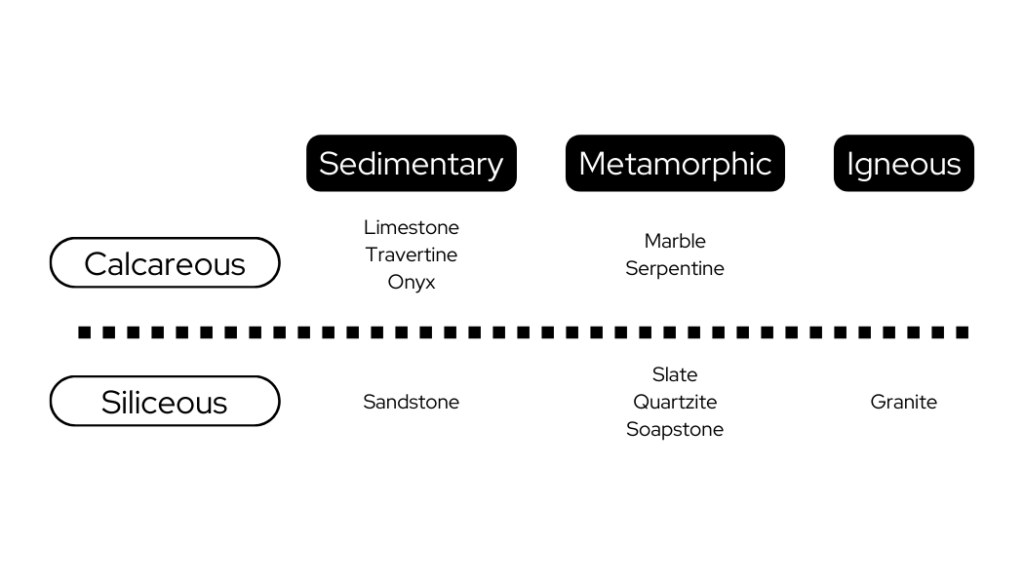
Quartz stone falls into three geological classifications based on formation processes: sedimentary, metamorphic and igneous. Within these categories, stones can be either calcareous or siliceous.
Calcareous stone is composed primarily of calcium carbonate, commonly found in quartz stone, shells and pearls. Because calcium carbonate is sensitive to acidic solutions, only mild, non-acidic cleaners should be used.
Siliceous stone is made up of silicates such as quartz, feldspar and mica. These stones are generally resistant to most acids typically found in kitchens, although acidic cleaners are still not recommended. Even small traces of acid-sensitive minerals can become vulnerable if exposed.
The following chart will be a helpful guide:
For more details, visit the Marble Institute’s resource at www.marble-institute.com/consumers/poultices.cfm or consult a stone care professional.
Extend the life of your quartz surfaces and preserve their beauty with these simple, everyday practices.
Coasters
Use coasters under all glasses, especially those containing alcohol or citrus juices.
Trivets
Although quartz is heat resistant, trivets or mats should always be used under hot cookware.
Dust Mopping
For quartz flooring, dust mop frequently with a clean, untreated dry dust mop. Sand, dirt and grit are abrasive and can scratch the surface.
Mats and Rugs
Place mats or rugs both inside and outside entryways to reduce tracked-in debris. Ensure the underside is slip resistant.
Vacuum Cleaners
If vacuuming, check that wheels and attachments are in good condition to avoid scratching.
Spills
Blot spills immediately using a paper towel. Avoid wiping, since this spreads the spill. Rinse with mild soap and water, then dry with a soft cloth.
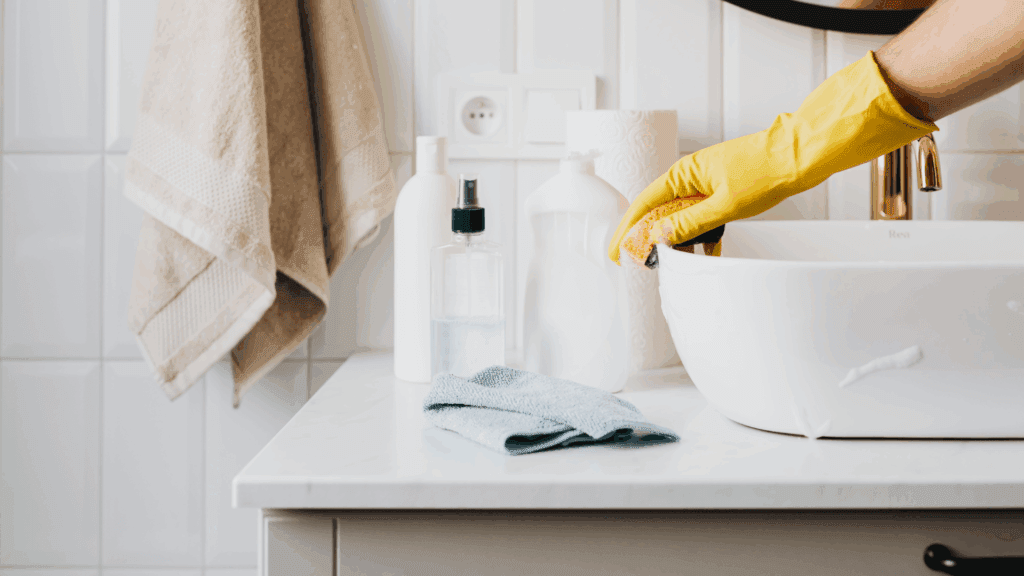
Quartz responds best to gentle cleaning techniques and non-abrasive products.
Quartz countertops are exceptionally durable, but still require simple precautions.
Quartz is one of the toughest and most low-maintenance countertop materials available today.
Surface stains can often be lifted with the proper cleaning product or household chemical.
Oil-Based Stains
These stains darken the stone and must be chemically dissolved.
Organic Stains
Tea, coffee, fruit, wine, tobacco and other organic materials may cause stains. Indoors, use 12 percent hydrogen peroxide with a few drops of ammonia.
Metal Stains
Iron, rust, copper and bronze stains follow the outline of the metal object. These require a poultice for removal.
Biological Stains
Algae, mildew and similar growths can be cleaned with diluted ammonia, bleach or hydrogen peroxide.
Ink
Use bleach or hydrogen peroxide on light stones. On dark stones, use lacquer thinner or acetone.
Paint
Small spots can be removed with lacquer thinner. Heavy paint requires a commercial stripper.
Water Spots and Rings
Buff gently with dry 0000 steel wool.
Fire and Smoke Damage
Commercial smoke removers may be required.
Etch Marks
Caused by acids left on the surface. Professional refinishing may be necessary.
Efflorescence
A white powder caused by mineral salts rising through the stone. Dust mop or vacuum until dry.
Scratches and Nicks
Light scratches can be buffed. Deep scratches require professional repair.
A poultice draws out deep stains by pulling contaminants into an absorbent material.
A poultice is made by mixing a cleaning chemical with an absorbent powder to form a paste. Apply one quarter to one half inch thick, cover with plastic and allow 24 to 48 hours.
Suitable poultice materials include kaolin, fuller’s earth, whiting, diatomaceous earth, powdered chalk, white molding plaster or talc.
For more information, visit www.marble-institute.com/consumers/poultices.cfm or call a stone professional (recommended).