0
0


CABINET MAINTENANCE AND CARE
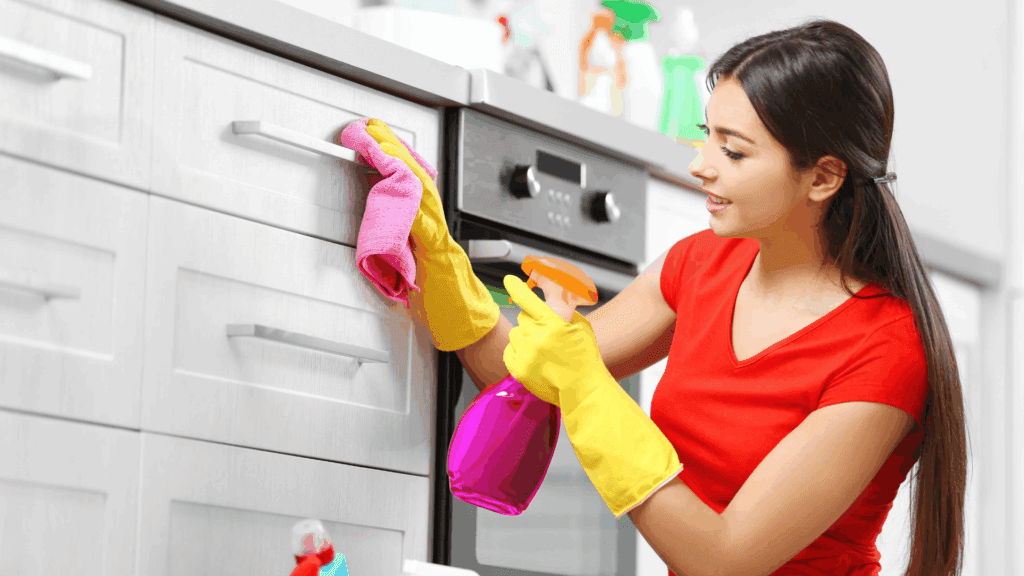
A soft cotton cloth dampened with warm water is normally sufficient to clean the cabinets. If more thorough cleaning is required, a fresh solution of mild hand dishwashing liquid mixed with warm water is recommended. After cleaning, wipe all surfaces with a damp, clean cloth. Dry immediately using another soft, dry, clean cloth.
AVOID USING ON CABINETS
The following products are to be avoided as damage may occur:
REGULAR DUSTING
Use clean, soft lint-free cotton cloth for regular dusting. Packaged dusting sheets are not required or recommended. Do not use pre-moistened dusting sheets either. Do not use aerosol products made for dusting.
SPILLS AND SPLATTERS
Clean spills and splatters immediately off of cabinet surfaces. Prolonged exposure to spills, including food, water or other liquids, or to oil and grease splatters, can cause permanent discoloration or damage to the cabinet’s finish. Dry cabinet surfaces immediately after cleaning using a clean, soft cloth.
WAXING AND POLISHING
Waxing is not required or recommended. Over time, waxing and polishing compounds may build up on the surface of your cabinets and cause a hazy, streaky or yellowed appearance. This wax build-up is very difficult to remove.
AVOID MOISTURE DAMAGE
Avoid draping damp clothes or dishtowels over cabinet doors. This moisture can cause permanent damage, such as peeling, discoloration and warping. If cabinet surfaces get wet, dry immediately using a clean, soft cloth.
AVOID DRYNESS
Most focus is on too damp, wet or humid conditions. Too dry conditions can be equally damaging to cabinetry. Extreme dry conditions can lead to cracking in solid wood. The cabinets may also shrink.
TEMPERATURE AND HUMIDITY
Variation in temperature can cause some of the cabinet products problems. Increase in temperature may cause materials to expand. Decreases in temperature may cause materials to contract or shrink. Sudden temperature changes may cause more dramatic material changes. More likely to lead to cracking and splitting of solid wood. May also lead to warping, cupping and bowing in wood components.
Wood expands as humidity increases and shrinks as humidity decreases. Overtime changes in humidity may cause damage to the cabinets. The optimal humidity level is 35% to 50% relative humidity. Properly controlling temperature and humidity inside the house is healthier for the inhabitants as well as for the cabinetry and furniture within.
AVOID HEAT DAMAGE
The heat generated when using an oven’s self-cleaning feature is much greater than during normal cooking. If this heat escapes from the oven, it can damage your cabinets. While this is a rare circumstance, to minimize the risk of cabinet damage by removing cabinet doors and drawers nearest the oven before using its self-cleaning feature.
AVOID LIGHT DAMAGE
Exposure to direct sunlight tends to change the color of natural wood products. Sunlight can also fade painted wood surfaces, laminated surfaces and thermofoil surfaces. Draperies or blinds are recommended to shield your cabinets from direct sunlight.
AVOID
It is highly discouraged to stand on doors, drawers or pulls. Not only may this cause the person harm, but it may also damage the pulls, glides, hinges and cabinets. Avoid over filling drawers and cabinets. This may cause damage.