
0
0


In multifamily construction, change orders are often treated as inevitable. At SCS Multifamily, we disagree. While no project is immune to change, most change orders can be prevented through disciplined planning, clear communication, and accountability long before production or installation begins.
Our process is intentionally designed to reduce change orders not by pushing risk downstream, but by addressing it upfront.
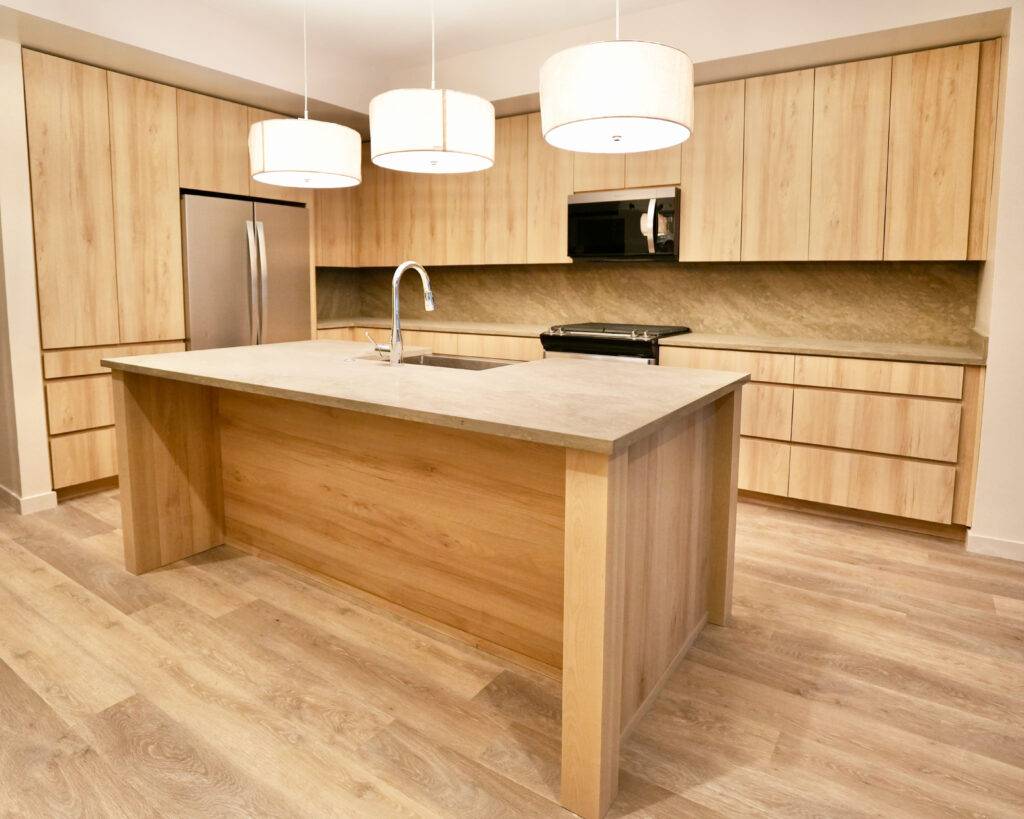
Prevention Starts in Preconstruction, Not in the Field
The most effective way to reduce change orders is to identify risk early. That is why SCS places a heavy emphasis on preconstruction and design coordination before materials are released.
Our in-house design team develops detailed, project-specific drawings that reflect approved layouts, finishes, appliances, and site conditions. We take the time to identify missing information, inconsistencies, and potential conflicts before fabrication begins. Plans are not rushed through production; they are reviewed, refined, and aligned with the full project team first.
This upfront diligence minimizes assumptions and significantly reduces revisions later in the project lifecycle.
Change Orders Are a Last Resort, Not a Margin Strategy
At SCS Multifamily, change orders are never used as a tool to recover margin or compensate for missed details. If a scope item can be clarified, resolved, or value-engineered during preconstruction, that is where the work belongs.
When a change order is necessary, it is tied to a true scope change, owner direction, or revised plan set and not to something that should have been identified earlier. This approach protects both the project budget and the working relationship between teams.
Controlled Production Reduces Variability
Once drawings are approved, materials are produced to exact specifications. Tight control over fabrication helps eliminate common causes of change orders such as dimensional discrepancies, finish mismatches, or specification conflicts.
By reducing variability at the production level, SCS limits the likelihood of issues surfacing during installation when changes are most disruptive and costly.
In-House Installation Closes the Communication Gap
A major contributor to change orders in multifamily projects is the disconnect between design intent and field execution. SCS eliminates this gap through in-house installation.
Our installers work directly within the SCS system and understand the approved drawings, tolerances, and expectations. Because our teams are fully integrated, potential issues are often identified and addressed early before they escalate into formal change orders or schedule impacts.
Accountability at Every Stage
SCS manages design, production, and installation under one coordinated process. This eliminates handoff issues, finger-pointing, and fragmented responsibility.
If an issue arises that falls within our scope, we address it directly. If a change is required due to revised direction or additional scope, it is clearly documented, communicated early, and presented transparently. This consistency builds trust and keeps projects moving forward with clarity.
A More Predictable Outcome for Our Partners
Change orders may never be eliminated entirely, but they should never be routine. Through disciplined preconstruction, controlled production, integrated installation, and clear accountability, SCS Multifamily significantly reduces both the frequency and impact of change orders.
The result is fewer surprises, stronger alignment, and a smoother path from contract to completion. That is not an exception, it is the standard we deliver on every project.